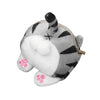
Why does my dog lick me so much? Most of the time it is normal behavior: dogs lick to show affection, to get attention, to taste the salt on your skin, or to ease boredom. It starts in puppyhood, when pups lick their mother's mouth and she licks them back. This guide explains the common causes, the warning signs, and how to redirect the habit. Table of Contents Why does my dog lick me so much? Is excessive licking a sign of a problem? Why does my dog lick so much in general? How do I stop my dog from licking me? How Petzeals can help with dog licking Frequently Asked Questions Conclusion Why does my dog lick me so much? Licking is one of the first ways a dog communicates. Puppies lick their mother to ask for food and comfort, and many dogs carry that habit into adulthood. When your dog licks your hands, arms, or face, it is often a friendly greeting, much like a hug or a hello. Taste is another big reason. Your skin carries salt from sweat, and it can hold traces of food, lotion, or whatever you touched earlier. A dog that licks your legs after a workout or your hands after dinner is simply enjoying the flavor. Attention plays a role too. If you laugh, talk, or pet your dog every time it licks, it learns that licking works. Even a scolding counts as attention for some dogs, so the habit can grow without you noticing. Licking can also calm a dog down. The act releases a soothing effect, so dogs may lick when they feel nervous, bored, or unsure. A dog left alone for long stretches may lick you intensely the moment you get home, partly from excitement and partly from stored-up energy. Finally, dogs sometimes lick to say "please stop" or "I'm uneasy," especially during rough handling or hugging. Watch the rest of the body: a loose, wiggly dog is happy, while a stiff dog with a tucked tail, pinned ears, or lip licking may be stressed. Is excessive licking a sign of a problem? Sometimes. Occasional licking is normal, but licking that feels constant, frantic, or hard to interrupt deserves a closer look. The pattern matters more than the amount. A dog that licks you for a minute and then settles is very different from one that cannot stop. Here are 6 signs that licking may point to something more than affection: It is compulsive: your dog ignores treats, toys, or your voice and keeps licking. It happens with other changes: appetite, energy, sleep, or mood have shifted recently. It targets one spot: your dog licks a single area of its own body until the fur is wet or the skin looks red. It appears during stress: thunderstorms, visitors, or being left alone trigger it. It started suddenly: a dog that never licked before and now will not stop. It comes with licking surfaces: floors, walls, or furniture are licked again and again. Possible causes include anxiety, boredom, allergies, skin irritation, nausea, or pain. Because these look similar from the outside, a veterinarian is the right person to sort them out if the licking is new, intense, or paired with other symptoms. Why does my dog lick so much in general? When a dog licks everything, including itself, the floor, and the couch, the cause is often different from licking you. Boredom is a common one. A dog with too little exercise or mental work will invent its own entertainment, and licking is easy and self-soothing. Allergies and itchy skin are another frequent cause. Dogs may lick their paws or belly to relieve irritation, and food or environmental triggers can be involved. Dental discomfort or an upset stomach can also lead to extra licking, sometimes with drooling or lip smacking. Stress-based licking often shows up around change: a move, a new baby, a new pet, or a shift in your schedule. Dogs thrive on routine, and licking can be their way of coping. Age matters as well. Puppies explore the world with their mouths, while older dogs may lick more if they feel confused or uncomfortable. If you notice a clear change in your dog's habits, write down when it happens and how long it lasts. That record helps your vet a great deal. For background on how dogs evolved and communicate, the Wikipedia article on dogs offers a helpful overview of their domestication and social behavior. How do I stop my dog from licking me? You do not need to punish licking. Instead, redirect it and reward calm behavior. Here is a simple approach that works for most dogs: Stay calm and quiet. Skip the big reaction, since attention feeds the habit. Move away or stand up for a few seconds when the licking begins, then return when your dog is calm. Offer an alternative. Hand your dog a toy or ask for a simple cue like "sit." Reward the pause. Give praise or a small treat the moment the licking stops. Add exercise. A daily walk plus play sessions burn off the energy that fuels licking. Be consistent. Everyone in the home should respond the same way. Give it a couple of weeks of steady practice. If your dog seems anxious or the licking is compulsive, ask your vet or a certified trainer for help rather than pushing harder. How Petzeals can help with dog licking Many dogs lick because they have energy and nowhere to put it. Giving your dog something fun to do is one of the easiest ways to cut down on attention-seeking licks. Interactive play also builds a stronger bond, so your dog gets the closeness it craves without needing your hands and face. At Petzeals, you can browse our dog toys collection for options that keep dogs busy and active. For a dog that gets restless when you are working or cooking, a vibrating ball that fights boredom can spark curiosity and encourage independent play. Try it when you notice the licking starting, and reward your dog for switching to the toy. Rotate toys every few days so they stay exciting. Toys are not a cure for medical causes, but they are a practical tool for boredom-driven habits. Frequently Asked Questions Does dog licking mean affection? Often, yes. Licking is a normal social behavior that starts in puppyhood, and many dogs use it to greet or bond with their people. Still, it is not always love. Taste, attention seeking, and stress can all play a part, so check your dog's body language. Is it safe to let my dog lick my face? For most healthy adults, occasional licks on intact skin are low risk, but dog mouths carry bacteria. It is wise to keep licks away from your mouth, eyes, and any open wounds. Young children and people with weak immune systems should be extra careful. Why does my dog lick me after I shower? Freshly washed skin can carry the taste and smell of soap, lotion, or leftover moisture, which many dogs find interesting. Your dog may also be greeting you or seeking attention after a short separation. If it bothers you, redirect with a toy. When should I call the vet about licking? Call your vet if the licking is sudden, constant, or hard to interrupt, or if you see red skin, hair loss, limping, appetite changes, or signs of stress. A checkup can rule out pain, allergies, or digestive trouble before you focus on training. Conclusion Dogs usually lick us out of affection, curiosity about taste, a wish for attention, or a need to self-soothe. When the licking becomes constant or comes with other changes, talk with your veterinarian. To give your dog a healthier outlet, explore the toys collection at Petzeals.